
Being diagnosed with autism and ADHD in my late twenties has meant getting to know myself all over again.
It's been a strange mixture of relief, confusion, discovery and a lot of looking back at things that suddenly make sense. Behaviours I'd spent years questioning, things I'd struggled with and reactions I couldn't always explain began to look very different through the lens of a neurodivergent diagnosis.
One of the biggest realisations was understanding autistic meltdowns.
For years, I'd thought I simply had a bad temper. I couldn't understand why certain situations could leave me feeling so overwhelmed, or why my reactions sometimes seemed completely out of proportion to what had happened.
I knew how it looked from the outside. What I didn't understand was what was happening on the inside.
Realising it wasn't just a bad temper
Before my diagnosis, I didn't have the language to explain what I was experiencing.
I could go from feeling relatively fine to completely overwhelmed, sometimes without recognising just how much had been building up beforehand.
It wasn't until I started learning about ADHD and autism that I began to understand the difference between anger and an autistic meltdown.
An autistic meltdown is an involuntary response to becoming overwhelmed. Sensory input, emotional stress, unexpected changes and accumulated demands can all contribute to reaching a point where everything becomes too much.
For me, learning this changed how I understood experiences I'd previously blamed on my personality.
Instead of simply thinking I needed to control my temper better, I could start asking different questions.
What had overwhelmed me? Were there warning signs I'd missed? What did I actually need in that moment?
And perhaps most importantly, what could help me recover afterwards?
Learning how to recover from an autistic meltdown
Understanding why meltdowns happen was one thing. Figuring out what to do afterwards was another.
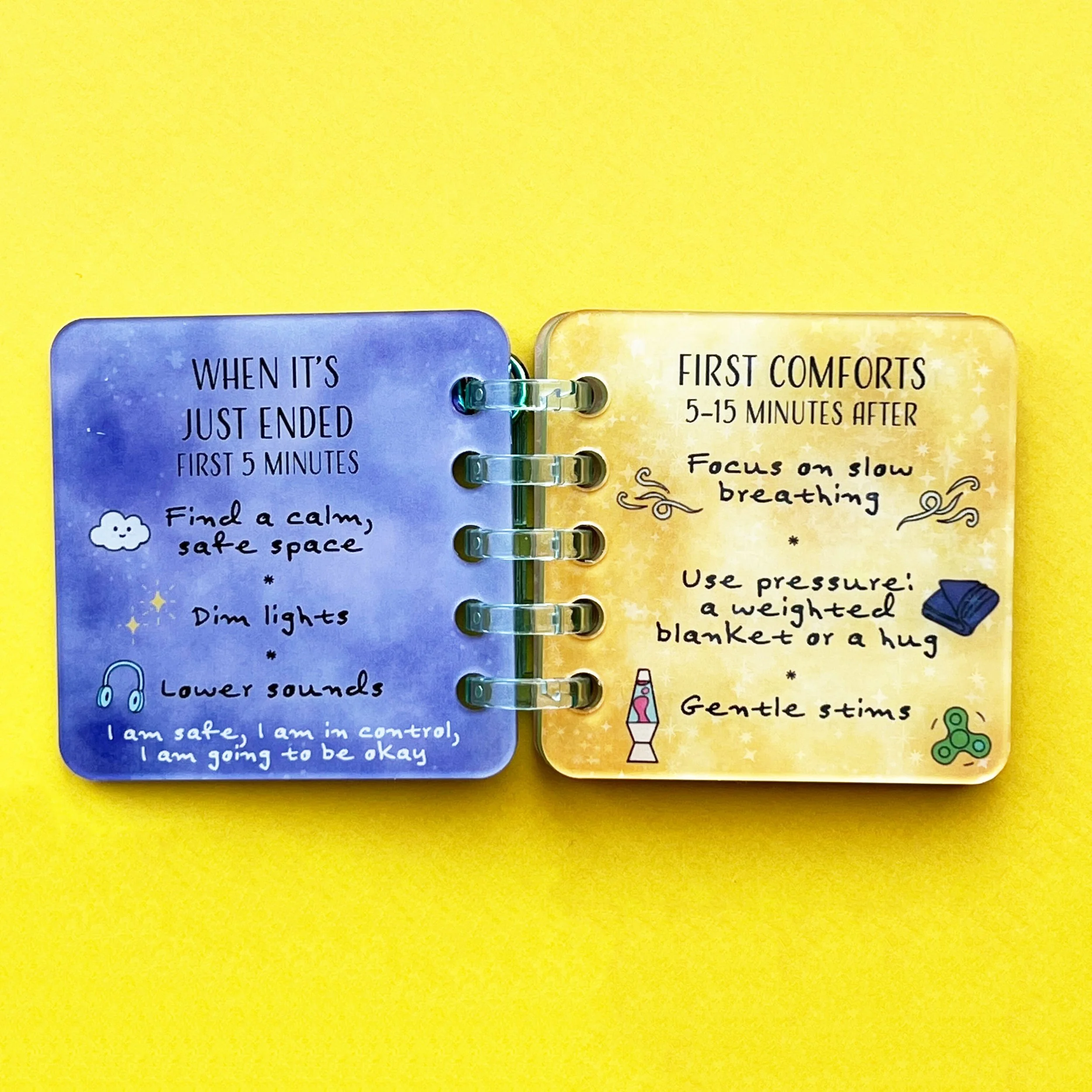
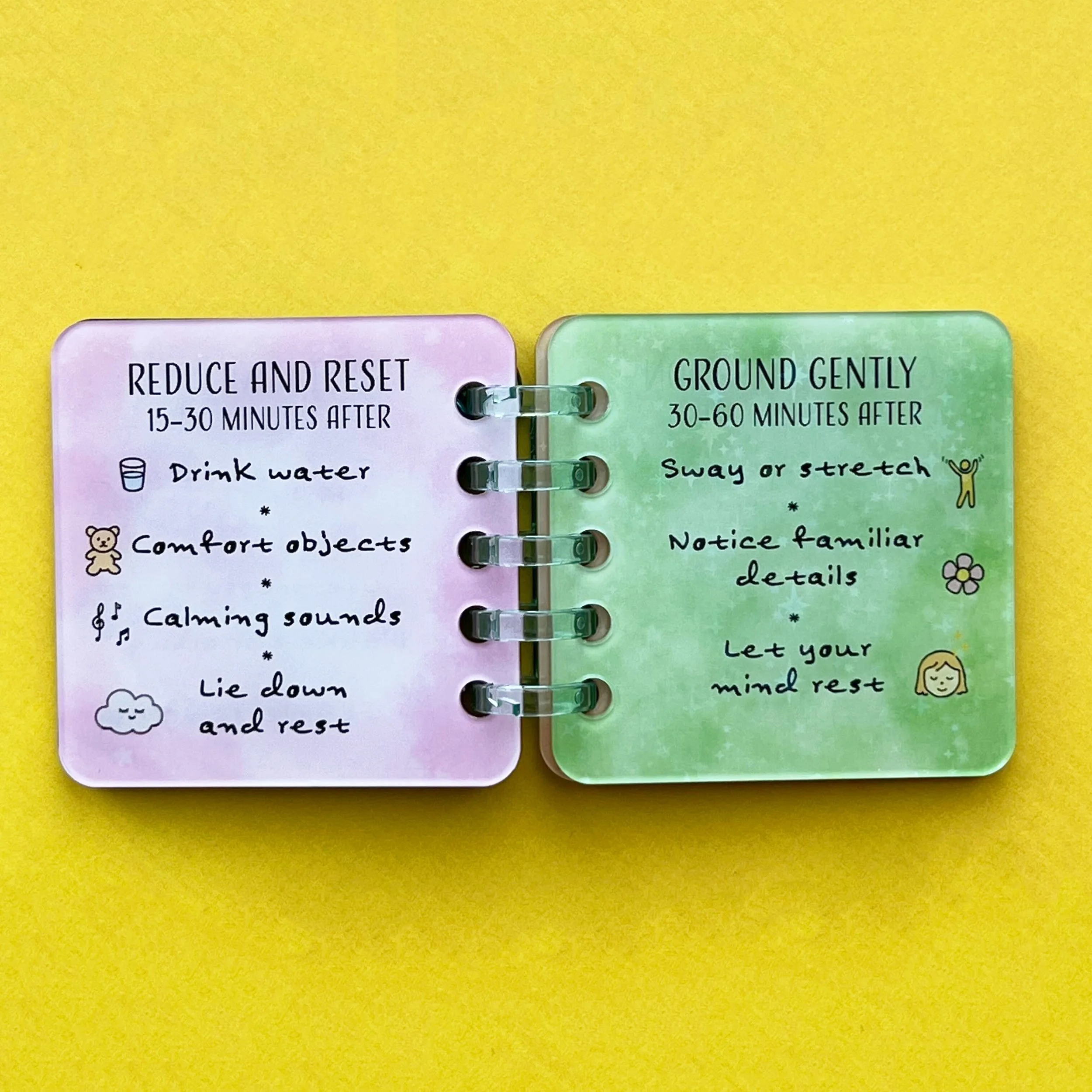
As I began researching autistic meltdown recovery, I discovered different strategies that might help: reducing sensory input, finding somewhere quiet, drinking water, using comforting sensory objects and allowing myself time to rest.
The problem was remembering any of them when I actually needed them.
After a meltdown, I could feel so mentally and emotionally exhausted that even simple decisions seemed difficult. All the helpful things I'd read about suddenly felt impossible to recall.
I knew there were things I could try, but in the moment, I couldn't always remember where to start.
And that got me thinking.
What if I didn't have to remember?
A little reminder for the difficult moments
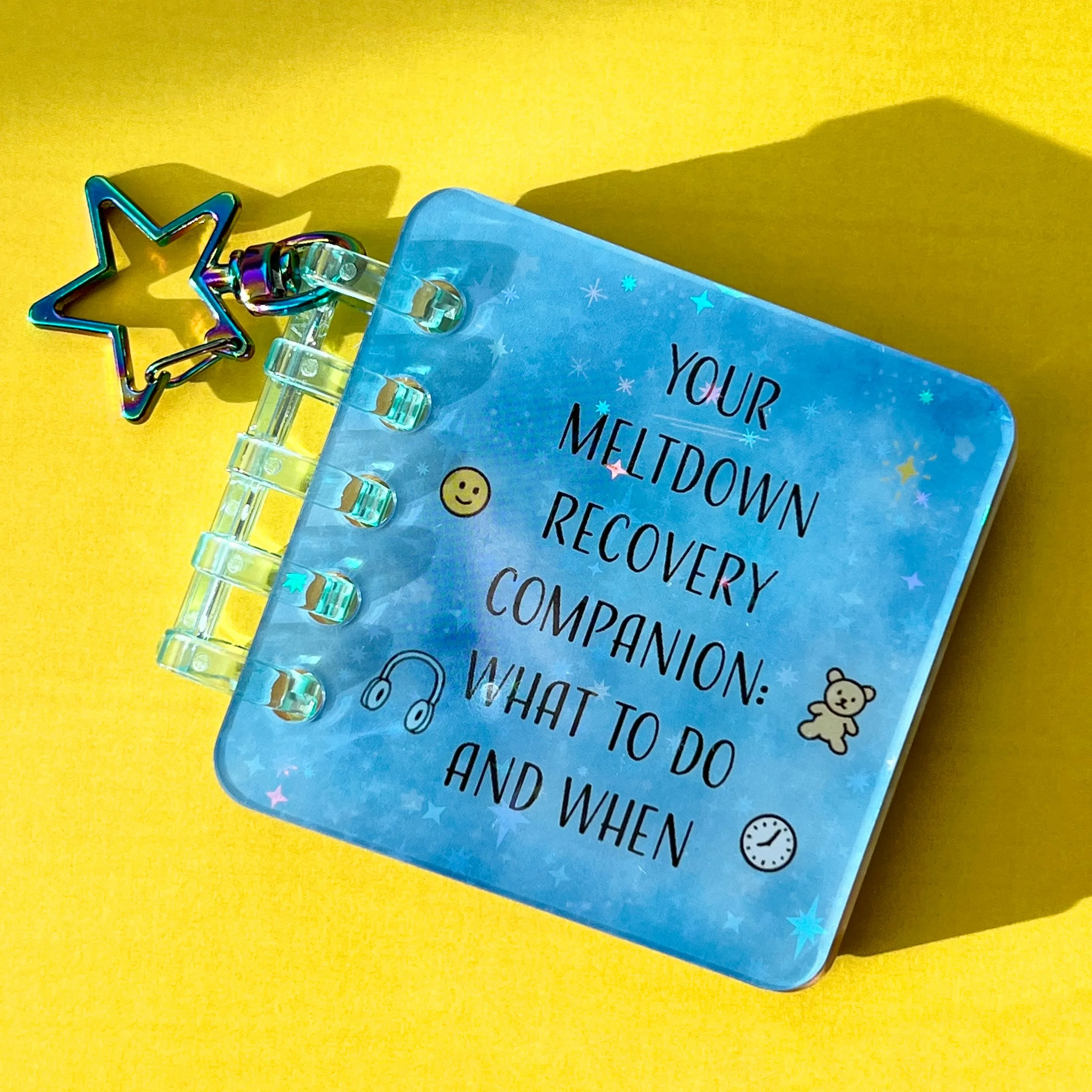
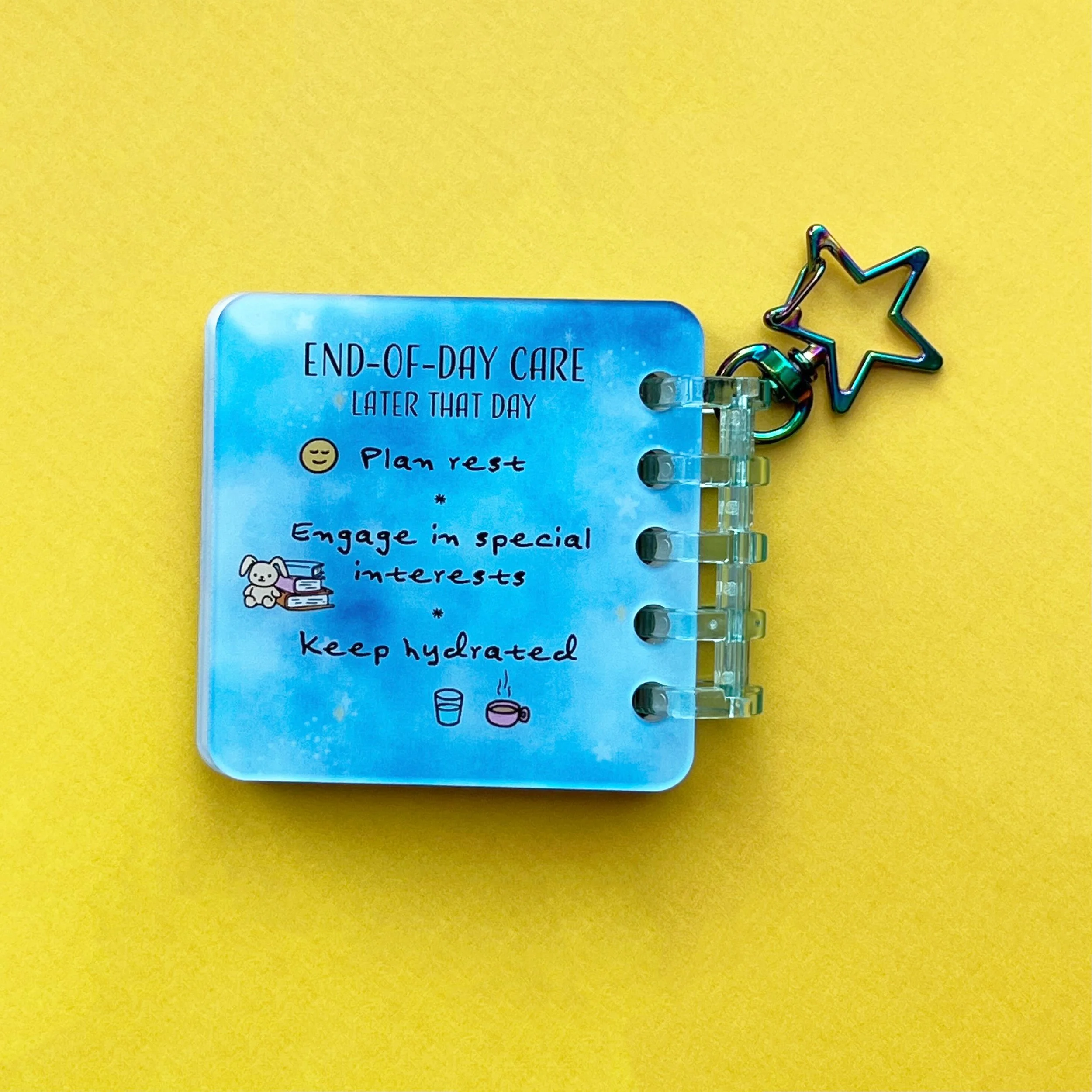
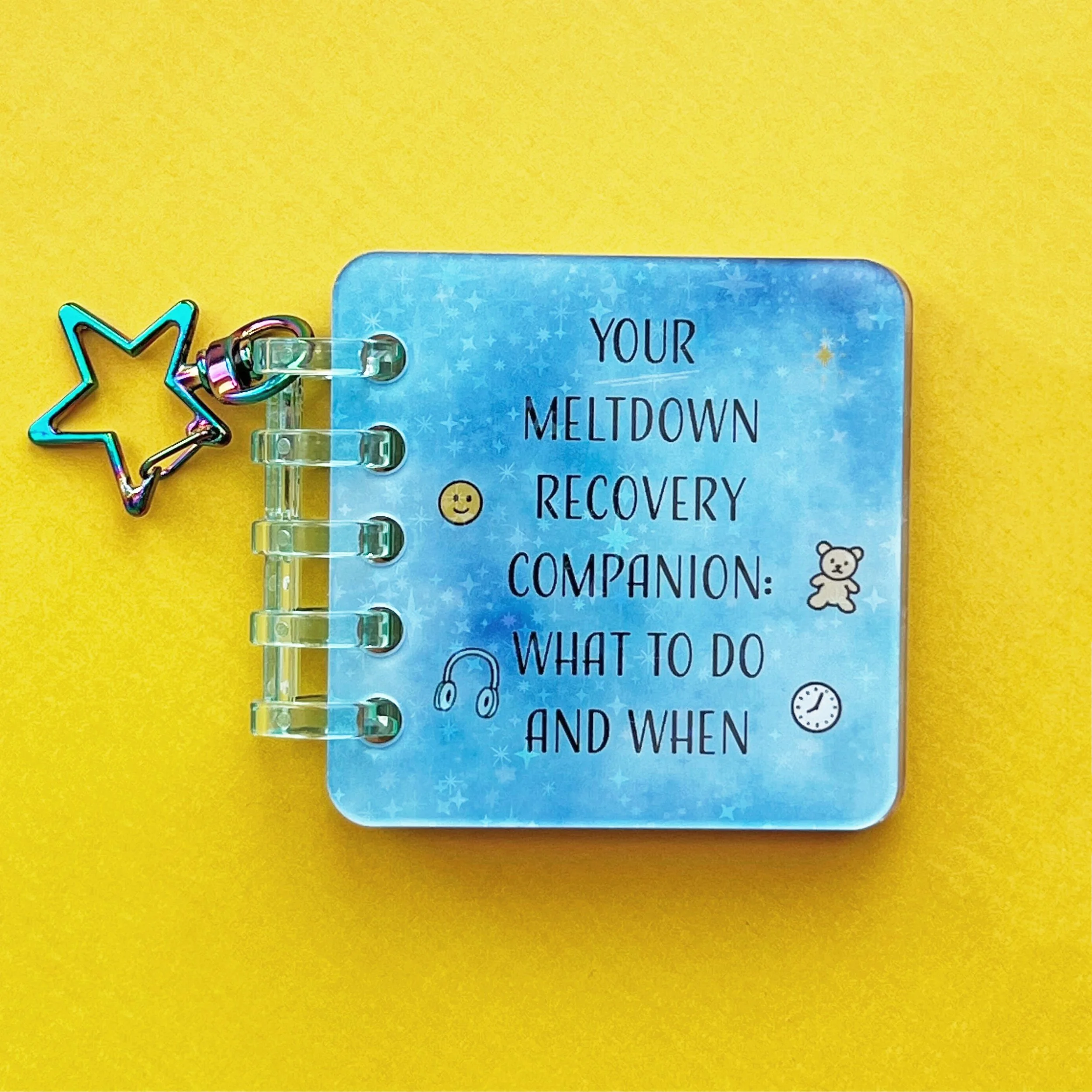
That question eventually became my first product: the Meltdown Recovery Keyring Booklet.
I wanted to create something small, practical and easy to keep nearby. Something I could reach for when my brain felt too overwhelmed to work out what it needed.
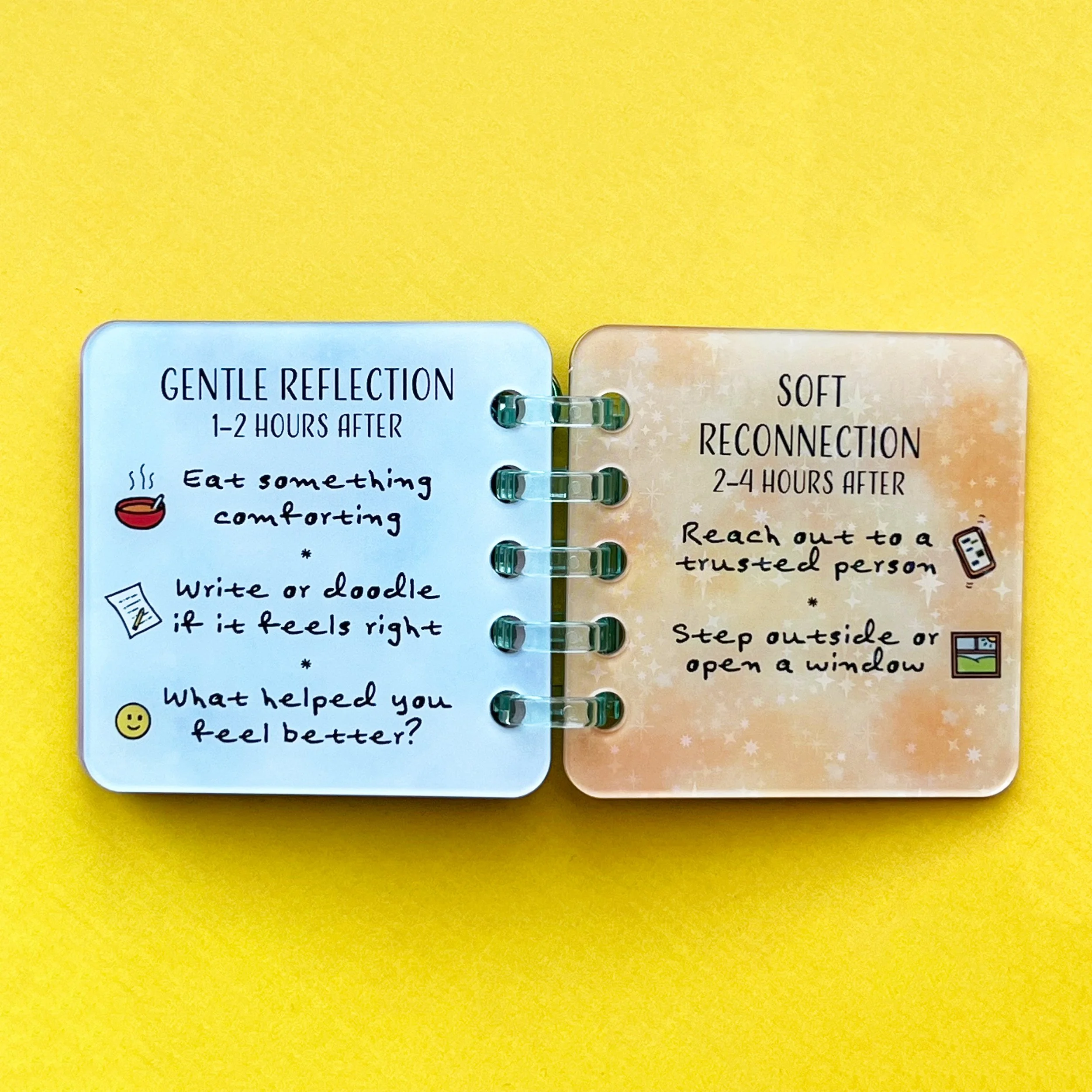
The booklet brings together gentle suggestions for different stages of recovery, from those first moments after a meltdown through to taking care of yourself later in the day.
It's not a set of rules, and it's certainly not a timetable. Everyone experiences meltdowns differently, and what helps one person might not help another.
It's simply a little collection of reminders, there when you need them.
Sometimes the smallest bit of support can make a difficult moment feel a little more manageable.
From one little idea to All That Glimmers
Creating the booklet made me think about all the other little things that could make neurodivergent life easier.
Not necessarily big solutions or complicated systems. Sometimes just a small, thoughtful product that removes one extra thing to think about.
But I also didn't want everything to focus on the difficult parts of being autistic or ADHD.
Because while being neurodivergent can be overwhelming, there are also things worth celebrating.
The joy of a special interest. A wonderfully satisfying sensory experience. Finding something that makes your brain happy in a way that's difficult to explain.
Those little moments are often called glimmers - the opposite of triggers. Small experiences that bring feelings of joy, comfort, calm or connection.
And that's where All That Glimmers came from.
A little shop created by a neurodivergent mind, for neurodivergent minds.
Some products are designed to help with the challenges of everyday life. Others are simply here to bring a little happiness.
Still figuring it all out
I'm still learning about my autistic and ADHD brain, and I don't expect that journey to have a neat finishing point.
There are things I'm beginning to understand, things I'm learning to approach differently and plenty I haven't quite figured out yet.
But having a better understanding of myself has already changed the way I think about the support I need.
And if something I've created can help another person feel a little more understood, a little less overwhelmed or simply bring a smile to their face, that's a pretty lovely place to start.
More glimmers. Less overwhelm. ✨
Explore the rest of my products to help with autistic meltdowns →